
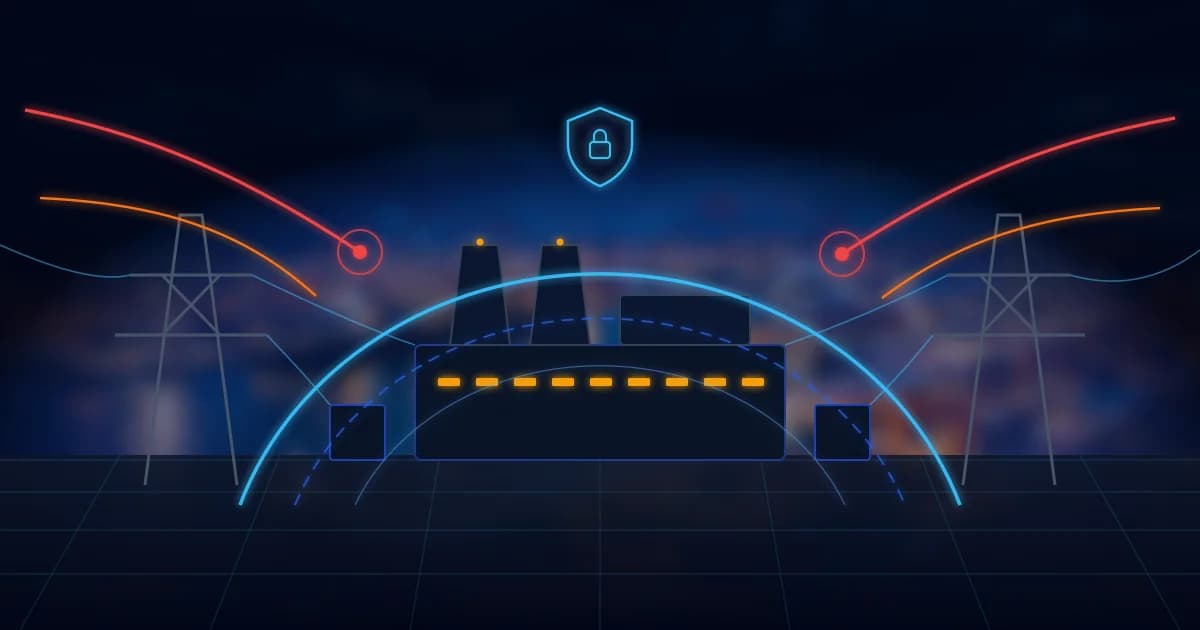
Power Grid Cyber Defense: AI, OT & Data Diodes
Inside GE Vernova’s cyber defense hub protecting 25% of global electricity: how data diodes, grid SOCs, and AI red teams defend critical infrastructure.
Quick answer and first action
Following suspected Iran-linked cyberattacks that knocked a small British power generator offline for four days and targeted water systems across at least 12 U.S. states, energy cybersecurity leaders say artificial intelligence is rapidly multiplying hacker velocity — yet deterministic operational technology (OT) and physical one-way data diodes keep "the red button" out of AI's hands.
Put it into practice: Before worrying about sci-fi autonomous AI attacks, audit every industrial controller, remote gateway, and management console in your environment. Disconnect public internet exposure immediately, enforce strict network segmentation, and put operational telemetry behind unidirectional hardware or tightly isolated zero-trust proxies.
Every few months, headlines warn that artificial intelligence could soon hijack an electrical grid and trigger a nationwide blackout without human involvement. Inside the Ramat Gan cybersecurity center that vets equipment responsible for roughly a quarter of the world's electricity, the reality is both more reassuring and more urgent. As reported by Ynetnews, Lior Ateret — head of global cybersecurity research and GE Vernova's Israeli cybersecurity hub — sees relentless probing against power plants every day, alongside a clear divide between real industrial safeguards and basic network hygiene failures.
From British Generators to U.S. Water Utilities: The Shift Toward Physical Disruption
In July, suspected Iran-linked hackers forced a small British power generator offline for four days. Around the same period, water treatment and supply utilities across at least 12 U.S. states were targeted in a wave of cyber intrusions. While British officials noted the incident did not threaten the wider national electricity supply, both waves underscored a major strategic shift: attackers are no longer satisfied with stealing databases or defacing corporate websites — they are probing the physical infrastructure societies rely on every hour.
That same escalation is playing out across ocean shipping and freight terminals, as documented in our coverage of the U.S. maritime ports cyberattack surge. Yet when Ateret examines why recent energy and water attacks succeeded, the root cause rarely looks like Hollywood cyberwarfare.
In most of the recent incidents, controllers were connected directly to the internet — a basic exposure you do not see at a properly protected power station.
Instead of defeating air-gapped safeguards with exotic AI exploits, attackers routinely walk through open doors left by exposed operational equipment and flat IT-to-OT networks.
Inside GE Vernova’s Global Cyber Defense Hub Protecting 25% of World Electricity
In Ramat Gan, near Tel Aviv, Ateret leads dozens of security researchers, software engineers, and authorized ethical hackers who act as a mandatory global gatekeeper for GE Vernova. Spun off from General Electric as an independent public company in April 2024 — and carrying an order backlog of roughly $197 billion driven in part by surging AI data-center power demand — GE Vernova produces gas, nuclear, hydroelectric, wind, and grid systems that help generate approximately 25% of the world's electricity.
No power plant system or grid distribution product ships into production without passing through the Israeli center's offensive testing.
Ateret's own path reflects how military red-teaming evolved into industrial defense. After studying in a Hebrew University program for gifted high-school students and joining the Israel Defense Forces' Communications and Cyber Defense Directorate, he spotted a critical blind spot: the military lacked a dedicated unit tasked with attacking its own systems. Working after hours, he built what became the IDF General Staff's Red Team, earning recognition from the head of the Shin Bet and leaving the military as a major in 2012 — the very day General Electric recruited him to build an industrial cyber defense organization from scratch.
Two Structural Defenses That Keep Power Grids Standing
When asked whether Western-style attacks could easily topple Israel's national electricity grid, Ateret emphasized that no critical network is 100% immune, noting that attackers probe power plants constantly. Still, he pointed to two structural advantages that raise the defensive bar significantly above average sectors like healthcare:
1. Centralized Multi-Station SOC Correlation
A joint security operations center in Be'er Sheva, operated by Israel's National Cyber Directorate and the Ministry of Energy, monitors electricity generation facilities nationwide in real time. That bird's-eye correlation solves one of industrial cybersecurity's hardest blind spots.
If one power plant experiences an anomaly, grid reserves can rebalance load within minutes, and operators may struggle to tell whether they are looking at a mechanical fault or an intrusion. When identical suspicious telemetry appears simultaneously across multiple independent stations, ambiguity disappears immediately — giving national defenders early warning of a coordinated state-level campaign.
2. Unidirectional Fiber-Optic Data Diodes
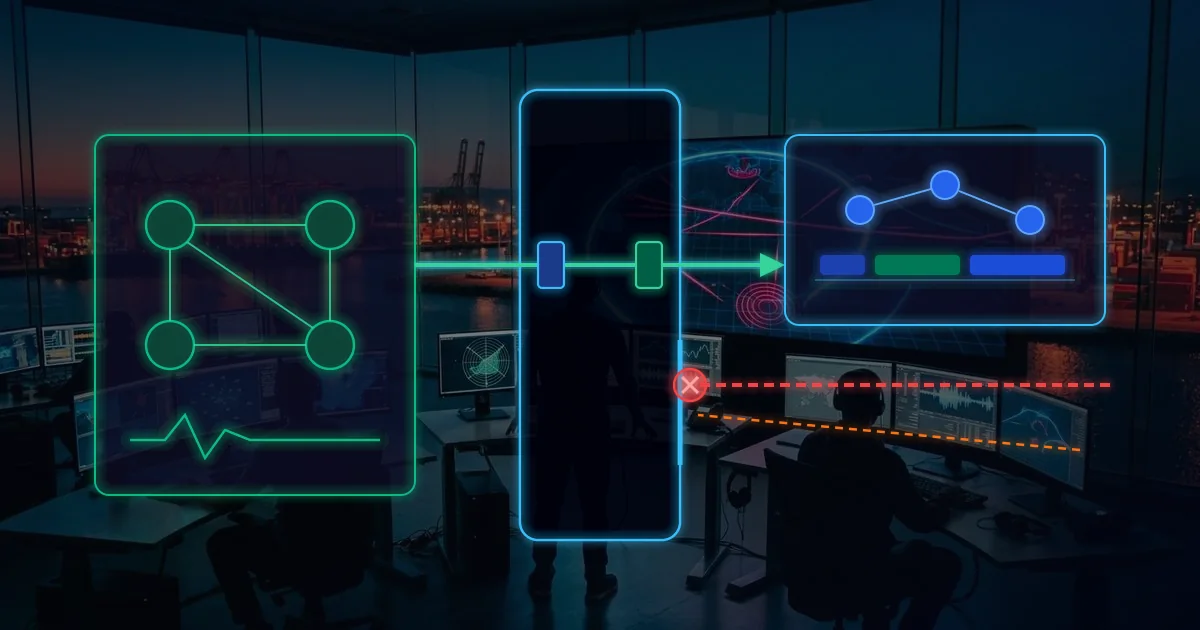
The second pillar is strict regulation and physical separation of operational control systems from the public internet. Many critical energy sites deploy one-way hardware communication devices known as data diodes — including fiber-optic barriers from Israeli firm Waterfall Security that place an optical transmitter on the protected plant side and a light receiver on the external monitoring side.
Because there is no physical return path for light or packets, remote operators can still inspect plant health and generation telemetry outside the facility, while inbound commands or malicious traffic are physically impossible to inject back across that link. While smaller enterprises rely on software network segmentation and firewall rules rather than hardware diodes, the underlying principle is identical: never leave sensitive operational assets reachable from untrusted networks.
‘One Person Into an Entire Army’: How AI Accelerates Offensive Hacking
Physical isolation does not mean defenders can ignore artificial intelligence. Ateret acknowledges that AI is transforming offensive economics by compressing skill requirements and timelines that previously required large, well-funded teams.
According to GE Vernova's internal research:
- Given access to source code, modern AI models can already identify serious weaknesses and effectively handle roughly 7 out of 10 traditional software vulnerability categories.
- Analysis that once took a skilled human hacker an entire week can now be completed in a few hours.
- When paired with agentic orchestration software — managing memory, decomposing multi-step intrusion goals, and coordinating execution — AI can effectively convert "one person into an entire army of hackers."
That shift elevates lower-tier and amateur actors to capabilities once reserved for specialized groups, reinforcing why engineering teams need strict secure code review pipelines for AI-assisted development before shipping production software.
Why ‘AI Doesn’t Hold the Red Button’ in Operational Technology
Despite rapid progress in offensive AI tooling, Ateret warns against confusing generative AI with the real-time hardware controlling turbines and substations.
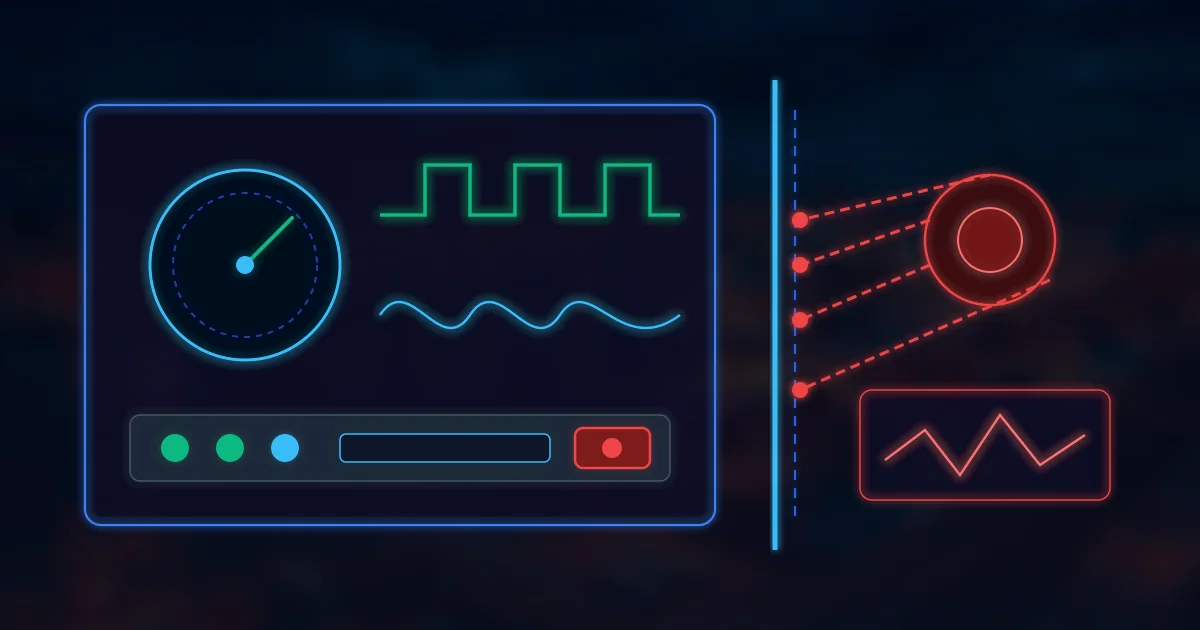
"No operational technology system is managed by AI. By definition, these are deterministic real-time systems, where you have to know exactly how many milliseconds each operation takes."
Power generation hardware cannot tolerate probabilistic guessing or variable response times. While AI models increasingly help engineers analyze sensor telemetry, detect subtle anomalies, or surface recommendations to human operators, "the red button that stops electricity generation isn't in AI's hands."
For grid defenders, the real danger is not an autonomous AI spontaneously deciding to cut power — it is an adversary using AI to find vulnerabilities faster, automate credential phishing, or exploit poorly isolated IT-to-OT bridges.
Critical Infrastructure Cyber Defense Matrix
Comparing where real-world energy and utility intrusions happen against proven industrial countermeasures clarifies where organizations should invest first:
| Threat Vector | Real-World Failure Mode | Proven Industrial & Enterprise Defense |
|---|---|---|
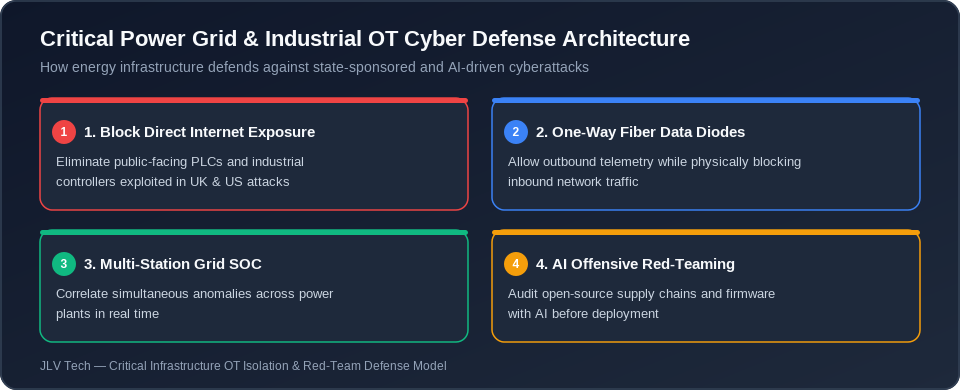
| Internet-Exposed Controllers | PLCs or HMIs reachable on public IP ranges (seen in UK & U.S. utility attacks) | Remove all direct internet exposure; isolate behind air gaps, data diodes, or authenticated ZTNA proxies |
| Coordinated Multi-Site Attacks | Individual plants dismiss anomalies as isolated hardware glitches | Centralize telemetry into a shared SOC to correlate simultaneous cross-facility signals |
| AI-Accelerated Vulnerability Hunting | Attackers scan exposed services and source code in hours instead of weeks | Run offensive AI red-teaming internally and enforce rapid patch cycles before deployment |
| Open-Source Supply Chain Flaws | Malicious or vulnerable third-party libraries bundled inside industrial updates | Maintain a Software Bill of Materials (SBOM), scan dependencies, and verify vendor signatures |
The Next Frontier: Software Supply Chains and Actionable Lessons for Every Organization
Looking out over the next one to two years, Ateret identifies two compounding risks: open-source software supply chain vulnerabilities embedded deep inside modern industrial software, and AI-assisted offensive tools democratizing complex attacks. GE Vernova's answer is to weaponize the exact same AI capabilities defensively — attacking its own firmware, power-plant controllers, and codebases before external adversaries do.
Even if your organization does not operate power turbines, the blueprint from Ramat Gan translates directly to any modern company or supply-chain vendor:
- Eliminate direct exposure: Apply zero trust access controls so administrative consoles, file servers, and operational systems never sit exposed to the public internet.
- Harden identities against AI-crafted lures: Enforce phishing-resistant FIDO2 passkeys and MFA across all engineering, vendor, and executive accounts.
- Protect telemetry, code, and backups: Combine business data encryption and key management with tested offline recovery steps inside a formal incident response plan, backed by the core controls in our 10 essential cybersecurity tool types for small business.
Frequently Asked Questions
Can artificial intelligence take direct control of a power plant and shut down the grid?
No. Core power-generation operational technology (OT) relies on deterministic real-time controllers with strict millisecond timing requirements rather than probabilistic AI models. AI is used to analyze data and advise human operators, not to hold direct control over shutdown switches.
How did hackers disrupt the British power generator and U.S. water systems?
According to GE Vernova cybersecurity head Lior Ateret, many recent industrial and utility disruptions succeeded not through futuristic AI zero-days, but because operational controllers were connected directly to the public internet without proper isolation.
What is a fiber-optic data diode in critical infrastructure security?
A data diode is a physical hardware security barrier with a light transmitter on the protected OT network and an optical receiver on the outside network. It allows monitoring telemetry to flow out while making inbound attack traffic physically impossible.
How does AI change vulnerability discovery for hackers and defenders?
Modern AI models paired with agentic orchestration can analyze code across roughly 70% of common vulnerability categories in hours rather than weeks, turning a single operator into a scalable team. Leading security centers now deploy those same AI red-teaming tools internally to patch flaws before attackers find them.
Related Guides
Explore how U.S. ports blocked 120 million monthly cyberattack attempts, review our ethical hacking and red-teaming career roadmap, or browse all cybersecurity guides.
Sources and further reading
- Ynetnews: ‘AI doesn't hold the red button’: Inside Israel's GE Vernova cyber defense hub
- CISA: Industrial Control Systems (ICS) Cybersecurity Resources
- NIST SP 800-82 Rev. 3: Guide to Operational Technology (OT) Security
Product capabilities, threat telemetry, and critical infrastructure standards evolve continuously. Consult the linked primary advisories and your sector regulatory authorities for current requirements.